
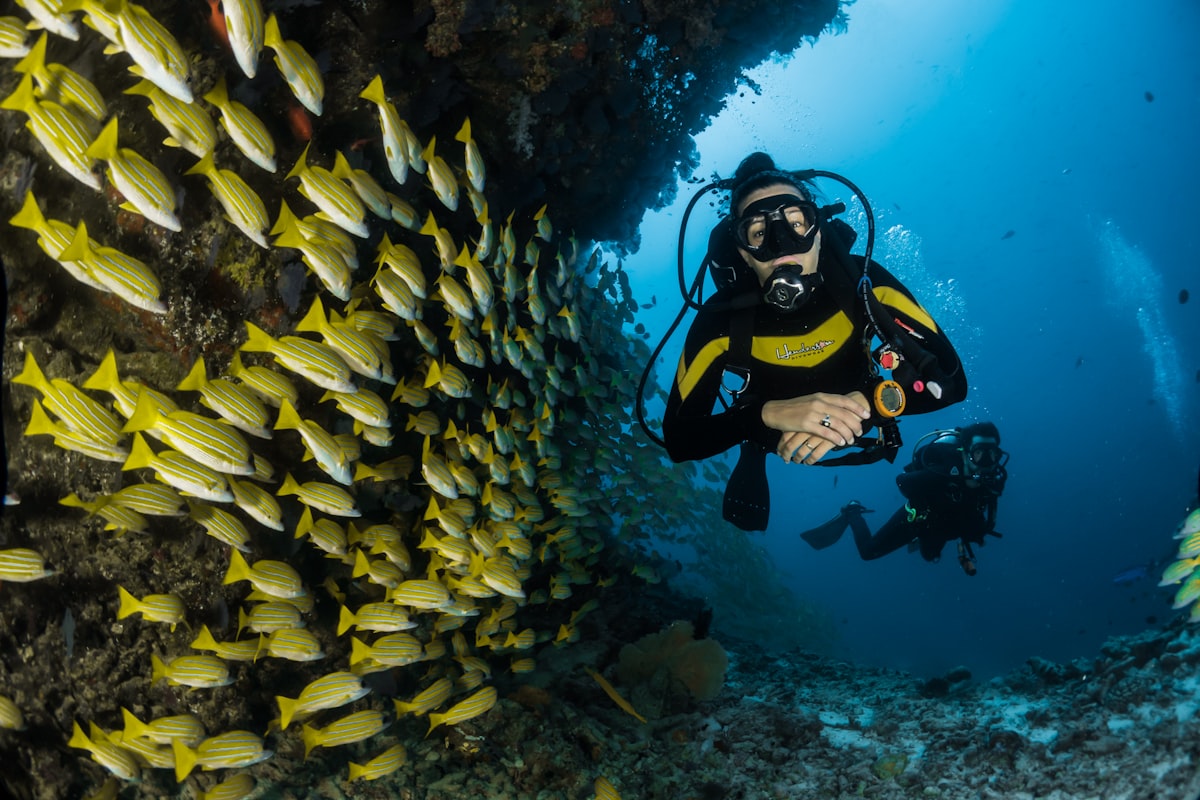
 Tanzania’s marine reserves protect coral reefs teeming with life.
Tanzania is famous for its safari parks, but its coast is a wilderness of its own. Along the Indian Ocean, a network of marine parks and coastal reserves protects coral reefs, mangroves, and rare marine life. This guide explores Tanzania’s coastal reserves and how to experience them.
What are Tanzania’s coastal reserves?
Tanzania’s coastal reserves are protected marine and shoreline areas along the Indian Ocean. They include marine parks, marine reserves, and coastal national parks. Together they safeguard coral reefs, seagrass beds, mangrove forests, and the many species that depend on them. The mainland has 18 marine protected areas covering more than 2,000 square kilometres, with further protected waters around Zanzibar.
These reserves matter for more than wildlife. They support coastal communities, protect fisheries, and preserve cultural heritage along one of Africa’s most beautiful coastlines.
Saadani National Park
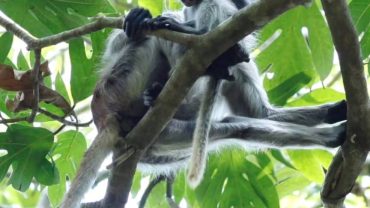
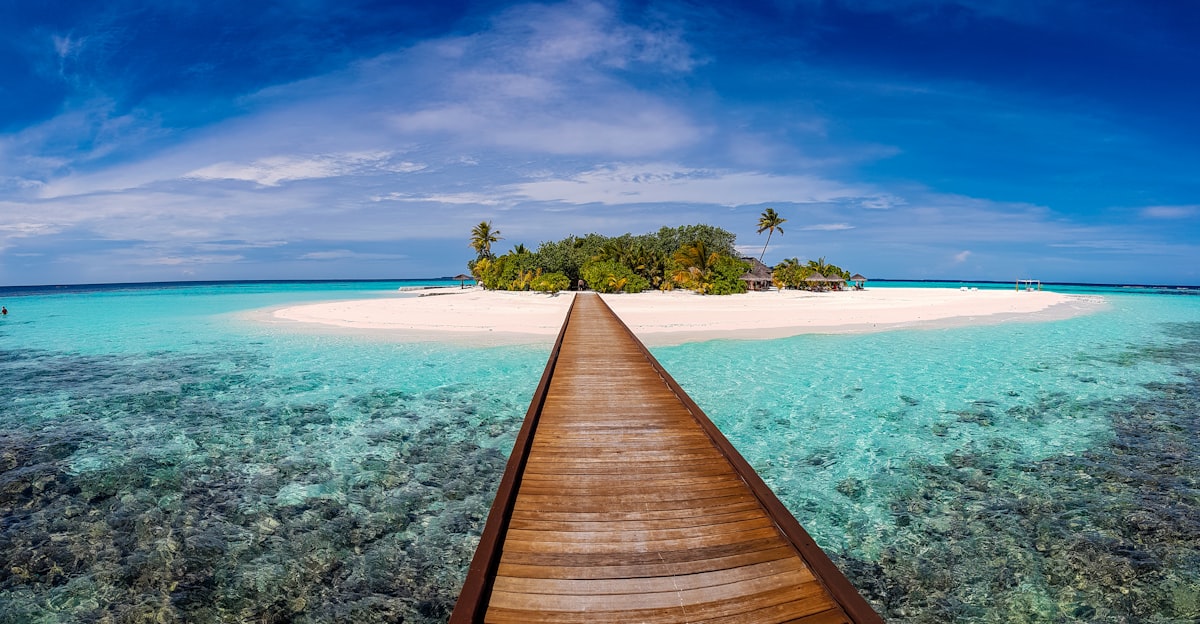 Along the coast, forest and beach meet at parks like Saadani.
Saadani is unique in Tanzania, because it is the only national park where the beach meets the bush. Here you can watch elephants and giraffes near the shore, then relax on the sand the same afternoon. The Wami River offers boat trips with hippos, crocodiles, and abundant birdlife. For travellers who want safari and sea in one place, Saadani is a rare treat.
Mafia Island Marine Park
Mafia Island Marine Park is one of the finest marine reserves in the region. Its reefs shelter more than 400 species of fish and vibrant coral gardens. The park is best known for the whale sharks that gather in its waters, offering a rare chance to snorkel alongside these gentle giants. Divers and snorkellers will find some of the healthiest reefs on the coast here.
Marine life of the coastal reserves
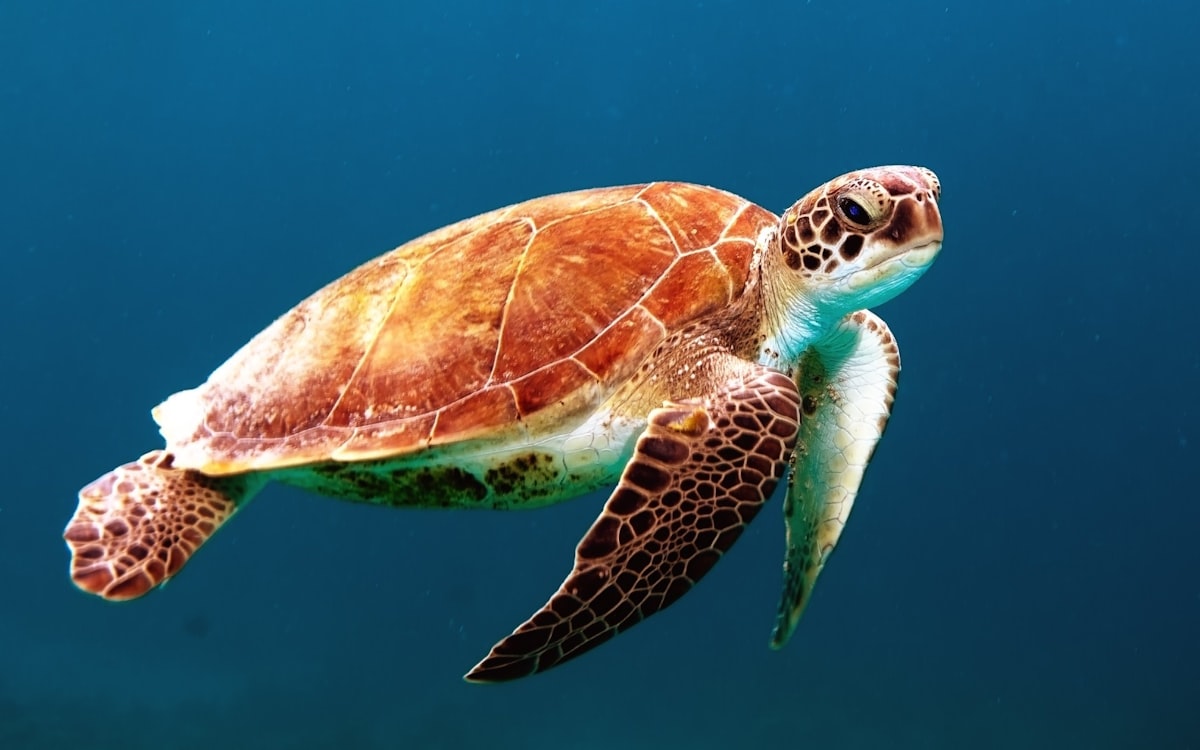 Marine reserves protect turtles, dolphins and whale sharks along the coast.
The waters of Tanzania’s coastal reserves are astonishingly rich. Coral reefs teem with colourful fish, while sea turtles nest on quiet beaches. Dolphins are common in many areas, and whale sharks visit seasonally. Mangrove forests along the shore act as nurseries for young fish and shelter for wading birds.
This diversity makes the coast a paradise for snorkelling, diving, and wildlife watching. Every reserve offers a slightly different mix of habitats and species to discover.
Protecting the coast
Tanzania’s coastal ecosystems face real pressures. Overfishing, pollution, coastal development, and climate change all threaten this fragile balance. Marine protected areas help by limiting harmful activity and giving reefs and fish stocks room to recover.
Conservation works best when local communities are involved. By supporting sustainable fishing and responsible tourism, the reserves protect both the wildlife and the livelihoods that depend on it. Choosing responsible operators helps keep this coastline thriving for the future.
Combine the coast with your safari
Tanzania’s coastal reserves pair beautifully with an inland safari. After the parks, you can unwind by the ocean, snorkel a reef, or spot wildlife where the forest meets the sea. Browse our Tanzania safari packages, see how the regions link on our Tanzania park map, or contact us to add the coast to your trip.


Comment (0)