
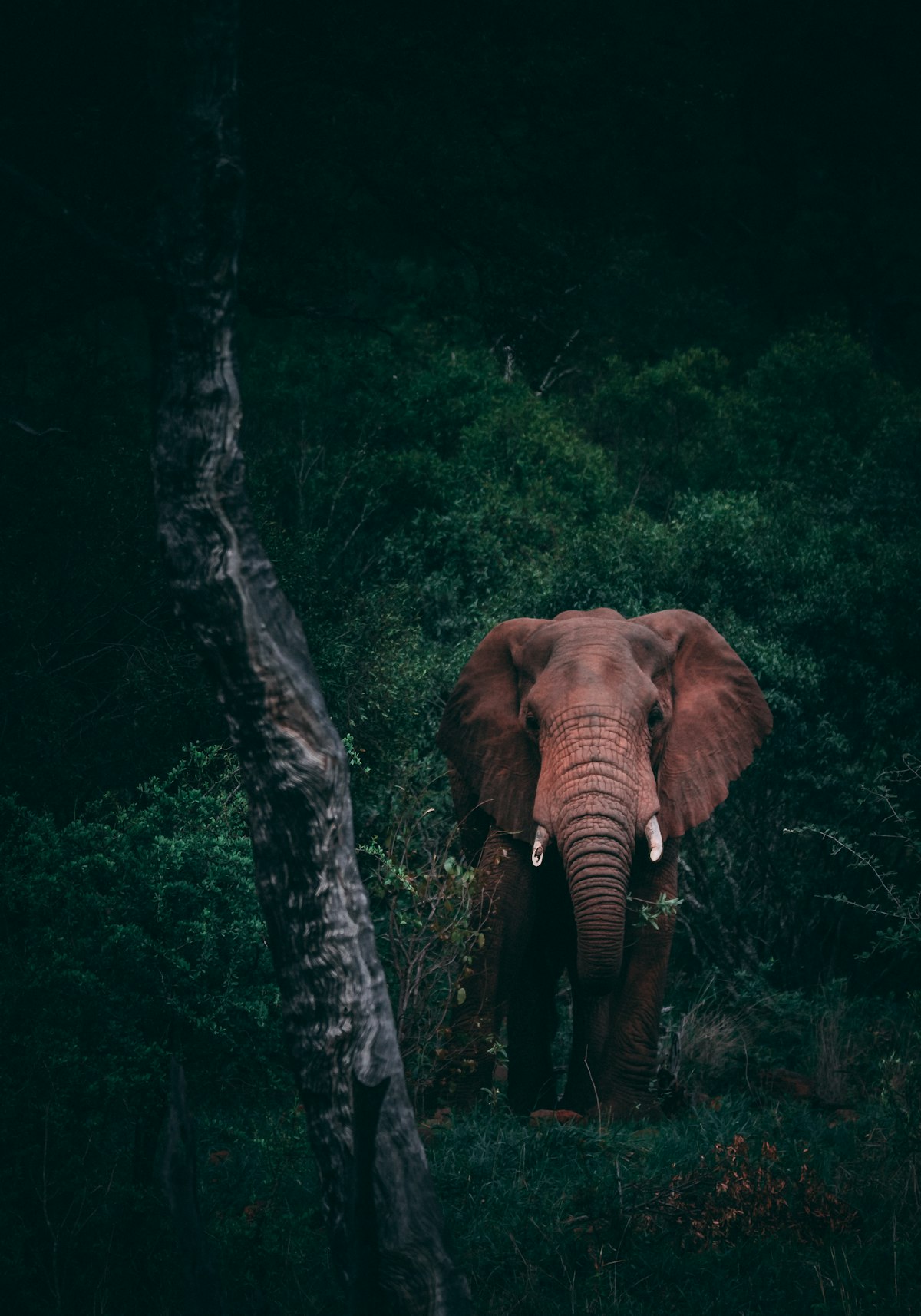
 Around two million wildebeest and zebra move through the Serengeti each year.
The Serengeti wildebeest migration is the greatest wildlife show on earth. Each year, around two million wildebeest, zebra, and gazelle move in a vast circle across the Serengeti in search of fresh grazing. This guide explains how the migration works, where to see it month by month, and how to plan a safari around it.
What is the Great Migration?
The Great Migration is the continuous, year-round movement of roughly two million animals across the Serengeti-Mara ecosystem. Wildebeest make up the bulk of the herds, joined by huge numbers of zebra and gazelle. Driven by rainfall and the search for fresh grass, they travel a clockwise loop of some 800 kilometres through Tanzania and into Kenya and back.
Because the herds are always moving, there is no single “migration season” — only different highlights in different places at different times. The key to a great migration safari is being in the right part of the Serengeti at the right time of year.
The migration month by month
Here is where the herds usually are through the year. Nature follows the rains, so timings shift slightly each season.
- December to March — Southern Serengeti (Ndutu): the herds graze the southern plains. February is calving season, when thousands of calves are born each day, drawing big predators.
- April to May — Central Serengeti: the herds begin moving north and west with the long rains. Quieter and green, with fewer crowds.
- June to July — Western Corridor & Grumeti: the first major river crossings begin at the Grumeti River.
- August to October — Northern Serengeti & Mara River: the famous, dramatic Mara River crossings. This is the peak spectacle.
- November — return south: the short rains pull the herds back down towards the southern plains to begin the cycle again.
The river crossings
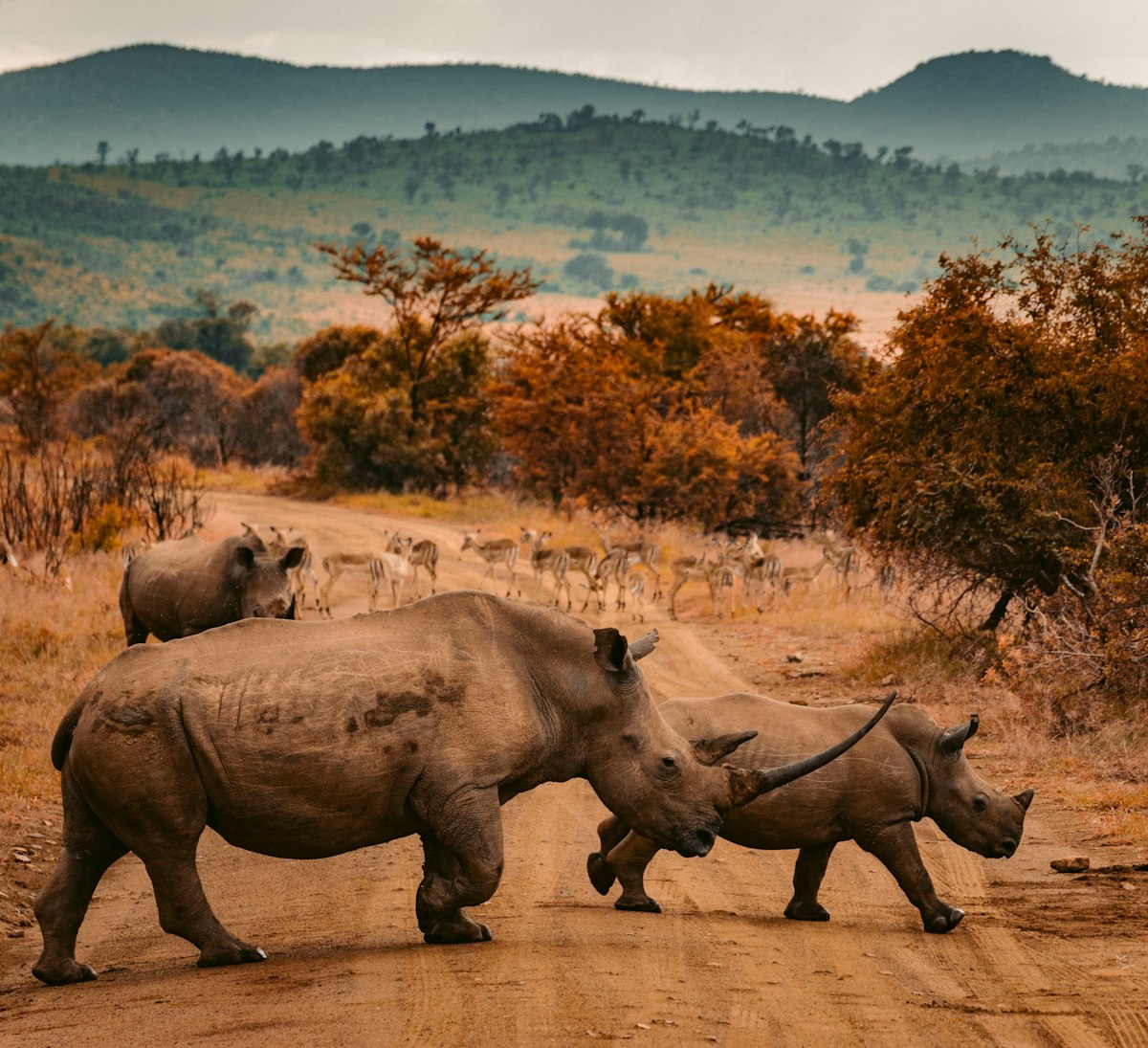 The dramatic Mara River crossings are the migration’s most famous moment.
The river crossings are the migration’s most heart-stopping moments. As the herds reach the Grumeti and Mara rivers, they must brave strong currents and waiting crocodiles to reach fresh grazing on the far bank. Thousands gather nervously before plunging in together, and the drama that follows is unforgettable.
The Mara River crossings in the northern Serengeti, from roughly August to October, are the most famous. To witness them, you need to be in the far north of the park at that time of year, which is why timing your safari matters so much.
The calving season
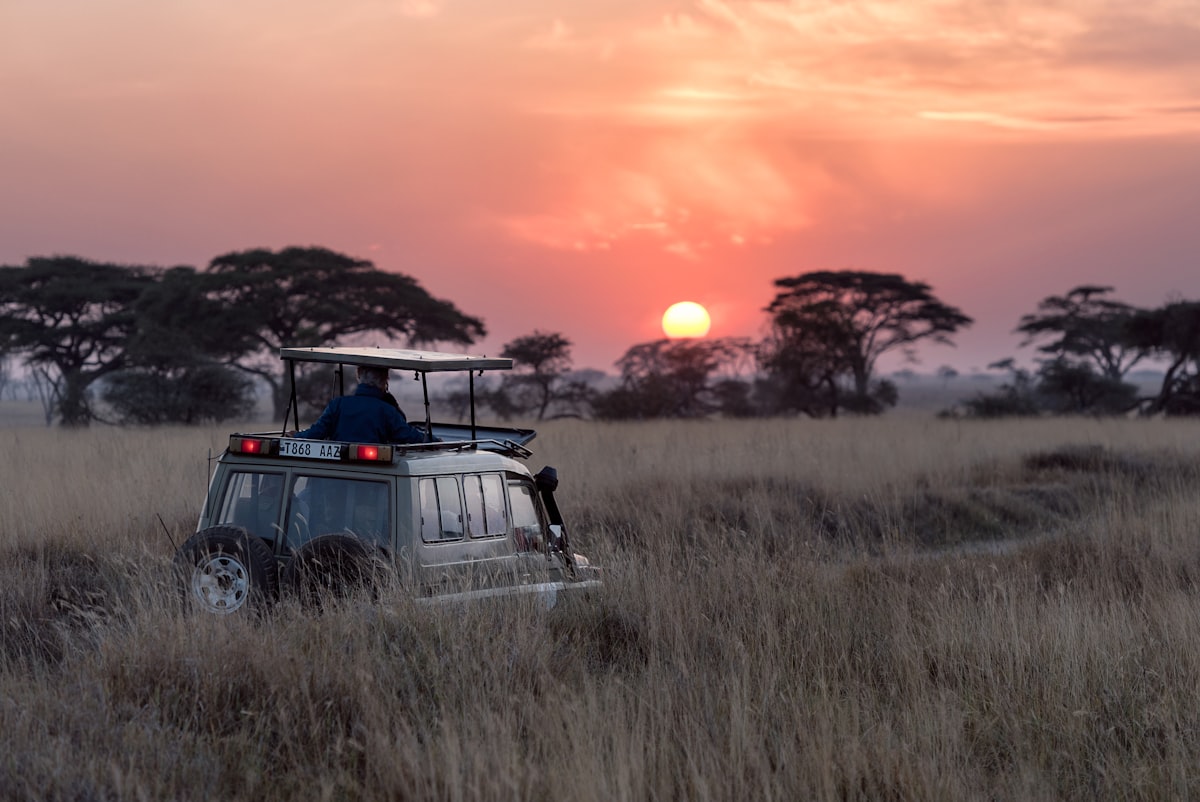 In the southern Serengeti, thousands of calves are born each day in February.
The calving season in the southern Serengeti is a quieter but equally special highlight. Around February, hundreds of thousands of calves are born over just a few weeks. The abundance of young draws lions, cheetahs, and hyenas, so predator action is at its most intense. For many travellers, this green-season spectacle is the best-value time to visit.
Best time to see the migration
The truth is there is no single best time — only the best time for what you want to see. For the dramatic Mara River crossings, visit the northern Serengeti between August and October. For newborns and predator action, choose the southern plains around February. For fewer crowds and lush scenery, the green months of April, May, and November are wonderful. Whatever your dates, we position your safari where the herds will be.
Plan your migration safari
Timing and location are everything with the migration, and that is exactly what a good operator gets right for you. Our 6-Day Wild Heart Safari is built around maximising your time with the herds, while our most popular 7-Day Complete Circuit combines the migration with the wider northern parks. For a longer, in-depth chase, see the 9-Day Grand Northern Expedition.
Learn more about the park itself in our Serengeti National Park guide, browse all our Tanzania safari packages, or contact us to plan your trip around the migration.


Comment (0)