
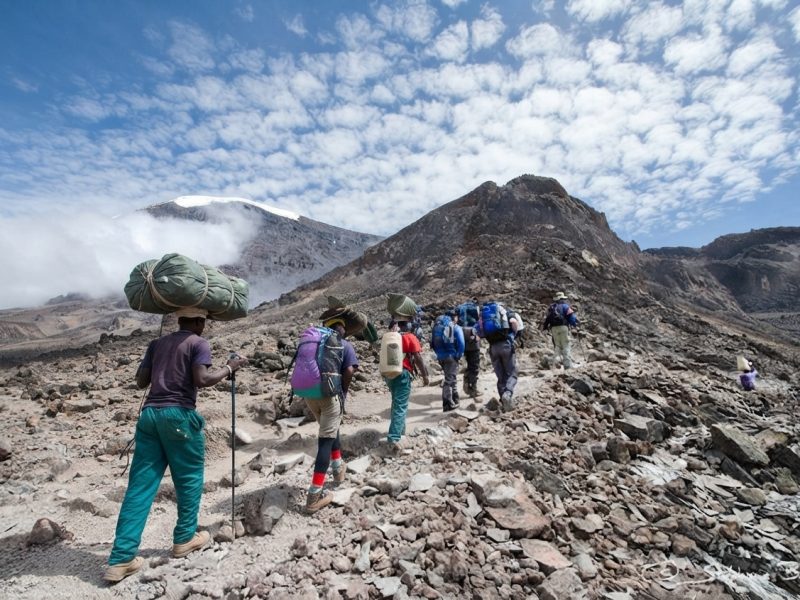
How hard is it to climb Kilimanjaro? It is a real challenge, but it is achievable for most reasonably fit people. You do not need ropes, ice axes or climbing experience. The difficulty comes from the altitude and the long days, not technical skill. This guide explains what makes it hard and how to improve your odds.
What makes Kilimanjaro difficult?
The main challenge is altitude. At 5,895 metres, the summit has roughly half the oxygen found at sea level. The long summit-night walk in cold and dark also tests your stamina and resolve. The walking itself is not technical, but the thin air makes every step harder.
Success rates by route and duration
Your route and the number of days strongly affect your chance of summiting. Longer routes give better acclimatisation and higher success rates. Shorter climbs rush the altitude and see more people turn back. As a rough guide:
- Longer routes such as the Northern Circuit: very high success rates
- Seven-day Machame or Lemosho: strong success rates
- Short five to six-day climbs: noticeably lower success rates
How to make the climb easier
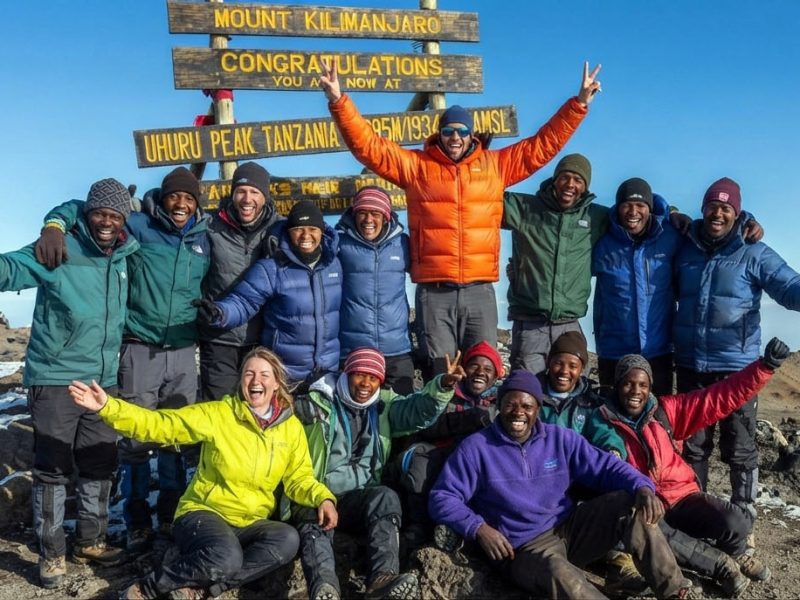
You can tilt the odds in your favour with a few simple choices. Pick a longer route with acclimatisation days. Train your fitness in the months before. Walk slowly and drink plenty of water. Listen to your guides and never rush the altitude. These steps make a genuine difference.
Is Kilimanjaro right for you?
If you are reasonably fit and well prepared, Kilimanjaro is within reach. People of many ages and backgrounds summit every year. Good preparation and the right route matter more than raw athleticism. Read our physical preparation guide and climate guide to plan well.
Take on the challenge
With the right team behind you, the summit is closer than you think. Browse our Kilimanjaro trekking tours or contact us to plan a climb matched to your fitness and goals.

Comment (0)