
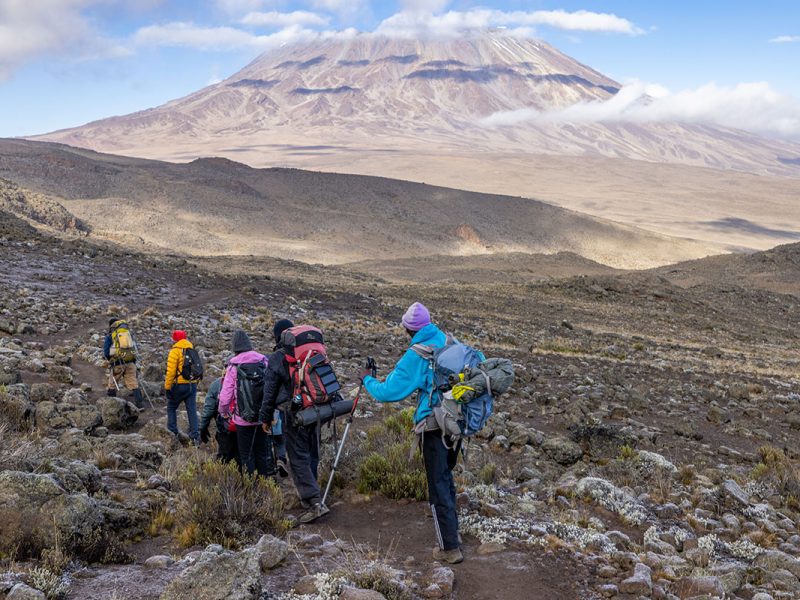
You do not need to be an athlete to climb Kilimanjaro, but good fitness makes the trek safer and far more enjoyable. Preparation is about steady training over a few months, not last-minute effort. This guide gives you a simple, practical plan to get ready for the Roof of Africa.
How fit do you need to be?
Kilimanjaro is a long walk at altitude rather than a technical climb. You need decent stamina and strong legs. If you can comfortably hike for several hours over hills, you have a solid base. Most people should start training two to three months before the climb.
Build your cardio fitness
Cardio is the foundation of your training. It helps your body cope with long days and thin air. Aim for regular sessions of walking, jogging, cycling or swimming. Build up gradually so your heart and lungs grow stronger week by week.
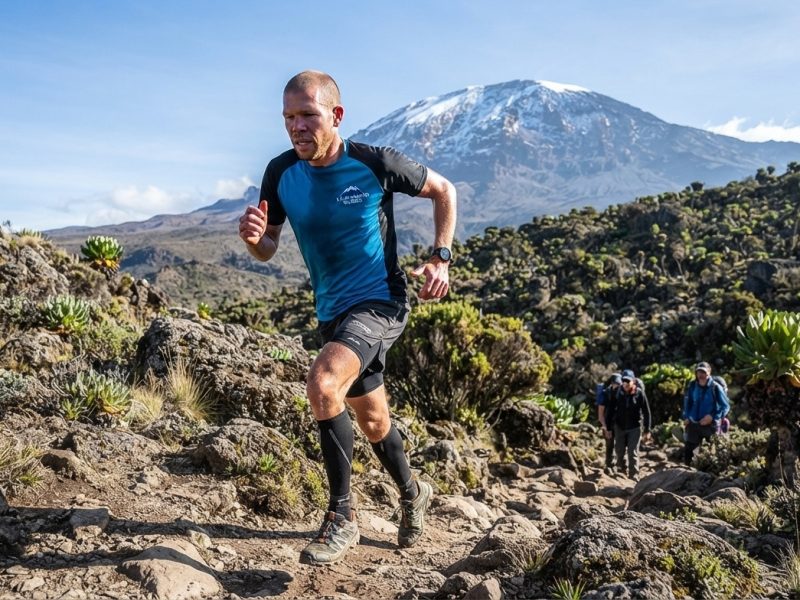
Train with hikes
The best training for hiking is hiking. Do long walks on hills or trails whenever you can. Wear the boots and daypack you’ll use on the mountain. This breaks in your gear and gets your body used to walking for hours. Add hills or stairs to mimic the climb.
Strengthen your legs and core
Strong legs handle the long ascents and descents. Add squats, lunges and step-ups to your week. A strong core helps your balance and posture on uneven ground. Two short strength sessions a week alongside your cardio is plenty.
Don’t forget mental preparation
Summit night is as much mental as physical. Long, cold hours test your determination. Training builds the confidence to push through. A calm, patient mindset and a steady pace will carry you a long way.
Prepare for your climb
With training underway, get the rest of your plan ready. Read our packing list and safety tips, browse our Kilimanjaro trekking tours, or contact us to book your climb.



Comment (0)